
THE BENEFITS OF HEMP
In 1916, the U.S. Government predicted that by the 1940s all paper would come from hemp and that no more trees need to be cut down. Government studies report that 1 acre of hemp equals 4.1 acres of trees. (US Department of Agriculture)
Hemp is a commonly used term for high-growing industrial varieties of the Cannabis plant and its products, which include fibre, oil, protein powder, hemp milk and seed.
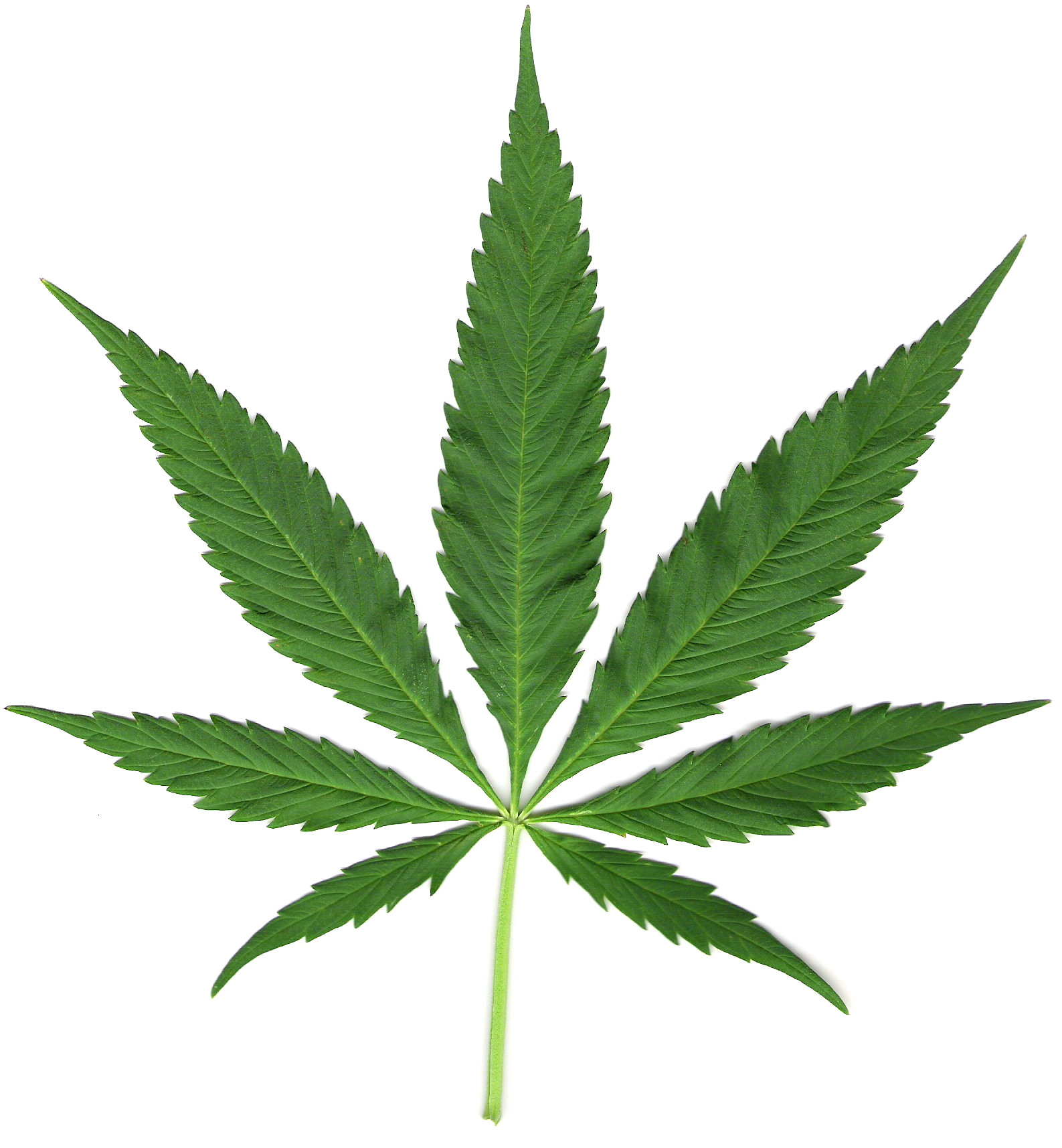 Hemp is often confused with its close relative, the herb cannabis, widely used as a drug and commonly known as marijuana.
These variants are typically low-growing and have higher content of tetrahydrocannabinol (THC), cannabidiol (CBD), and other cannabinoids.
‘Hemp’ takes its name from the durable soft fiber from the cannabis plant stem (stalk).
Cannabis sativa cultivars are used for fibers due to their long stems.
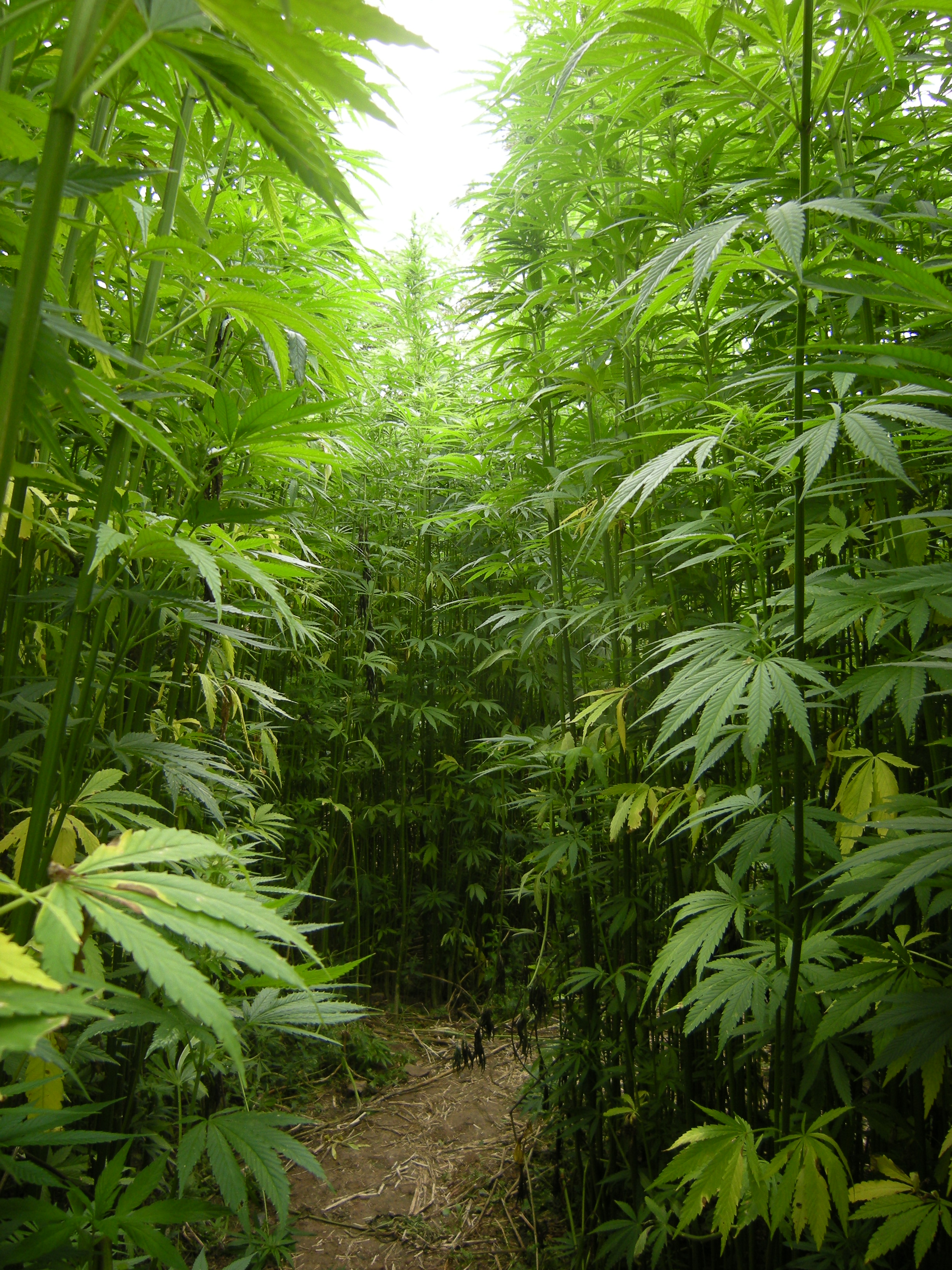
Sativa varieties may grow more than six metres tall.
However, hemp can refer to any industrial or foodstuff product not intended for use as a drug.
Many countries regulate limits for psychoactive compound (THC) concentrations in products labeled as hemp.
Environmental and Economic Benefits of Hemp
- Hemp has been grown for at least the last 12,000 years and is currently being used worldwide in industries such as fabric, food, bio-diesel fuel, paper, plastics, rope, building material, molded panels, car components
-
Some estimate that the global market for hemp consists of more than 25,000 products
- The potential of hemp for paper production is enormous – there is no tree or plant species on earth capable of producing as much paper per acre as hemp
- According to the U.S. Dept. of Agriculture, one acre of hemp can produce 4 times more paper than one acre of trees
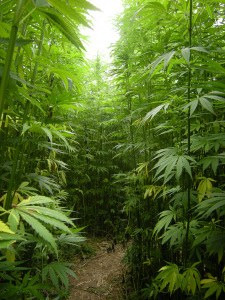
- All types of paper products can be produced from hemp: newsprint, computer paper, stationary, cardboard, envelopes, toilet paper, even tampons
- Paper production from hemp would eliminate the need to chop down BILLIONS of trees
- MILLIONS of acres of forests and huge areas of wildlife habitat could be preserved
- Trees must grow for 20 to 50 years after planting before they can be harvested for commercial use but within 4 months after it is planted, hemp grows 10 to 20 feet tall and it is ready for harvesting
- Substituting hemp for trees would save forests and wildlife habitats and would eliminate erosion of topsoil due to logging
 Reduction of topsoil erosion would also reduce pollution of lakes/rivers/streams
- Less pollution – fewer caustic and toxic chemicals are used to make paper from hemp than are used to make paper from trees
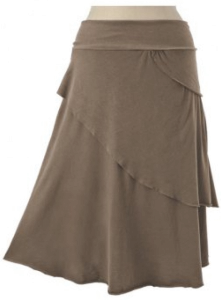
- Hemp can also be substituted for cotton to make textiles – hemp fiber is 10 times stronger than cotton and can be used to make all types of clothing
- Cotton grows only in warm climates and requires enormous amounts of water, whereas hemp requires little water and can be grown on most farmland throughout the world which can grow corn, wheat, or oats (‘New Billion Dollar Crop’ from Popular Mechanics magazine, 1938), although hemp prefers a mild climate, humid atmosphere, and a rainfall of at least 25-30 inches per year
- There is no GMO hemp – hemp is readily adaptable to organic cultivation
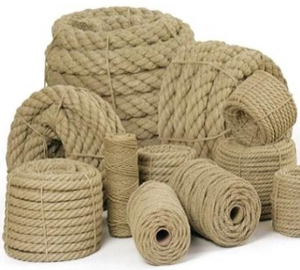
- All products made solely from hemp fibre are biodegradable, compostable and recyclable and as such they are easy on landfills
- A lightweight product: for greater fuel efficiency in transport, ease of handling, increased payload capacity
- Hemp is a worker-friendly, non-toxic material
 Reduction of topsoil erosion would also reduce pollution of lakes/rivers/streams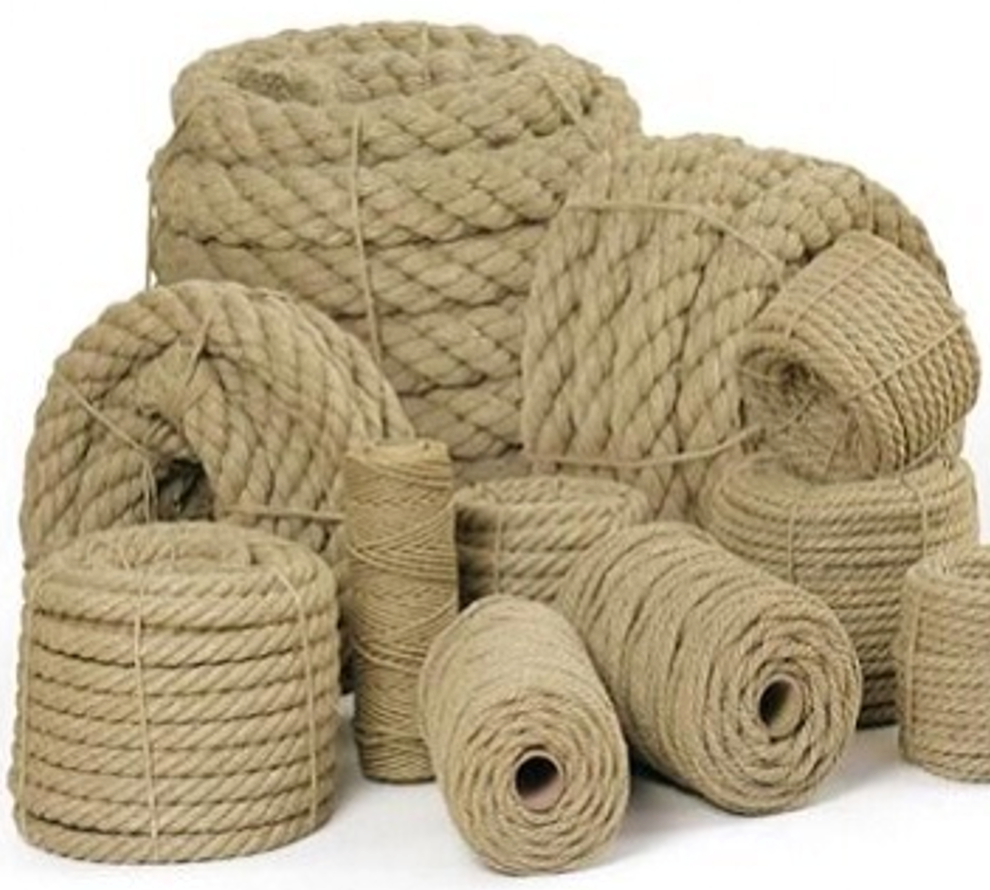
Fabrics & Clothing
- The agriculture world’s longest and most durable natural fibres are hemp’s ‘bast’ fibres, contained in the bark of the plant’s stalk
- In 1853, the first pair of Levi’s jeans was made – due to a fire in the Levis archives (San Francisco’s Great Earthquake and Fire – 1906 ) it can no longer be proven, but many believe the first pair of Levis were made from hemp
- Un-dyed hemp fabric will not rot and won’t fade in sunlight
- Hemp is anti-microbial, anti-mildew, naturally UV resistant and readily takes on eco-safe plant-based dyes
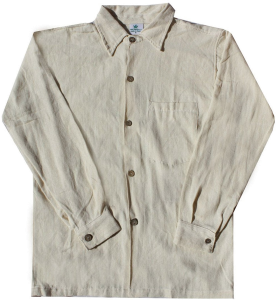 Frequently blended with cotton, tencel, bamboo, spandex and other fibres to make a wide variety of fabrics with various attractive properties
- Hemp is an efficient insulator keeping you warm in winter and cool in summer
- Hemp softens with each washing, without fibre degradation – as the saying goes: “Hemp doesn’t wear out, it wears in”
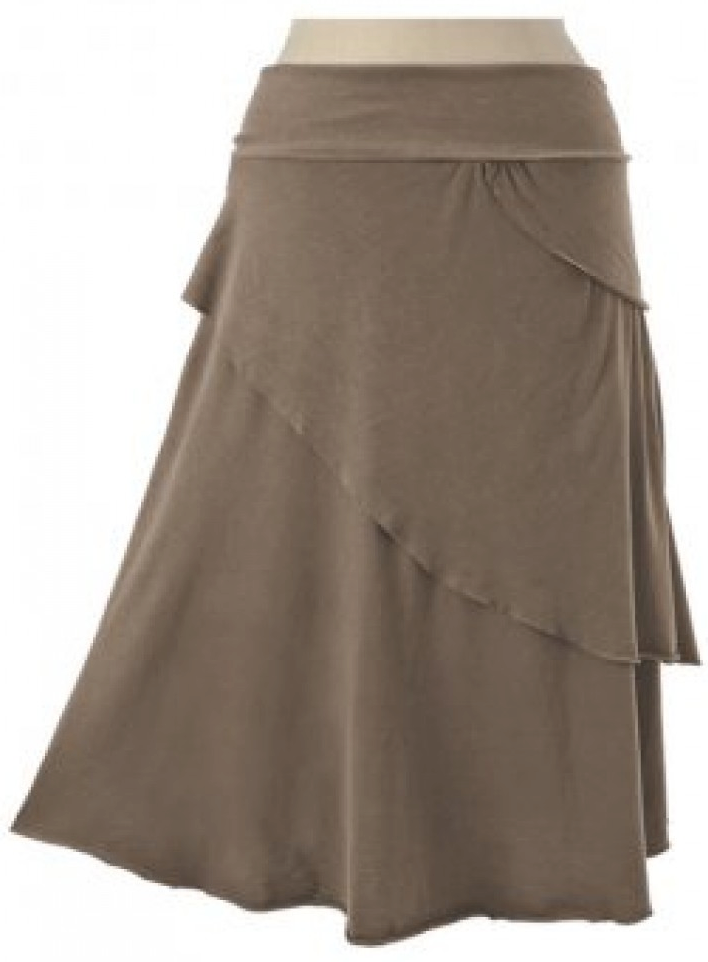
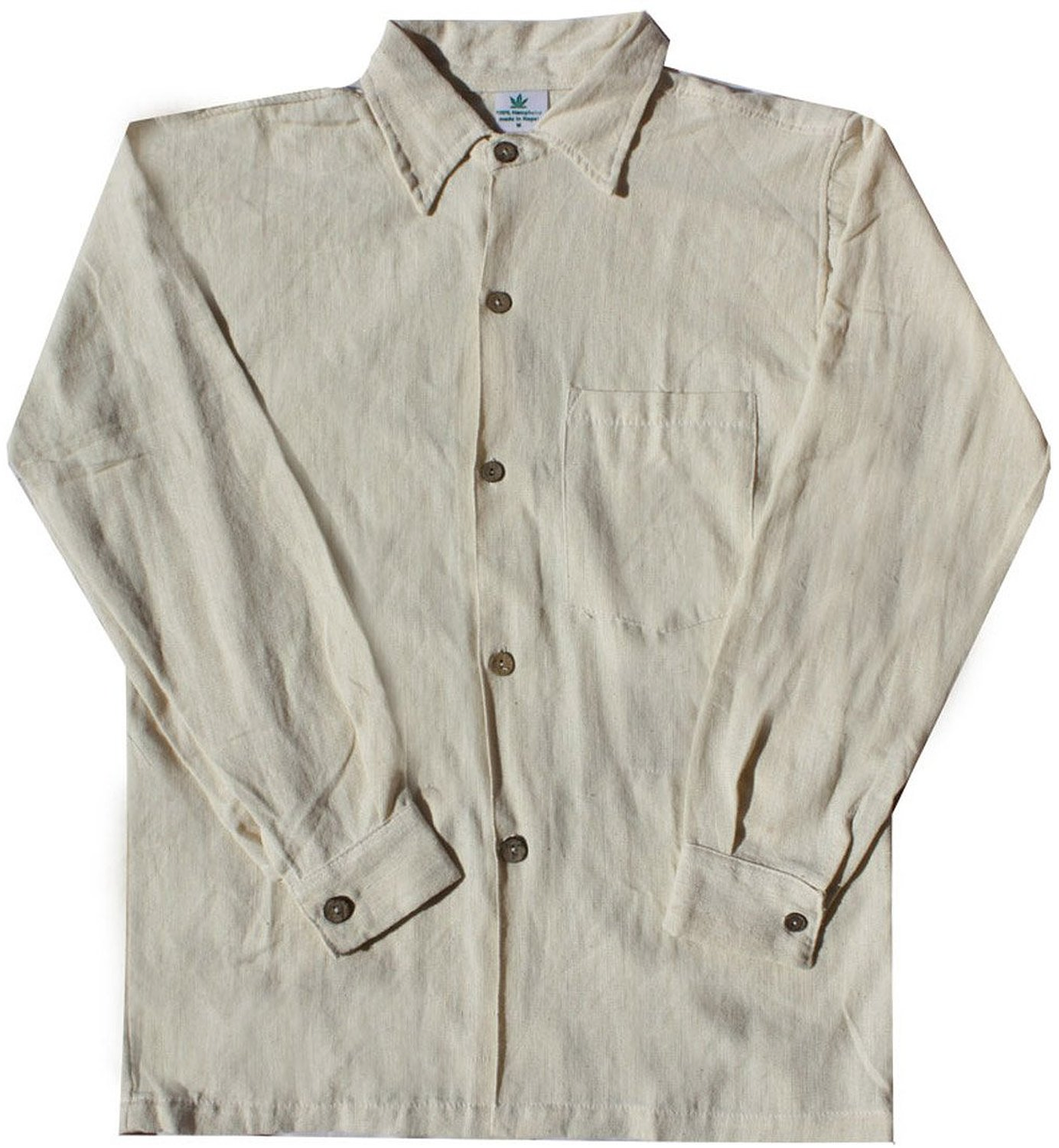 Frequently blended with cotton, tencel, bamboo, spandex and other fibres to make a wide variety of fabrics with various attractive properties
Hemp versus Cotton
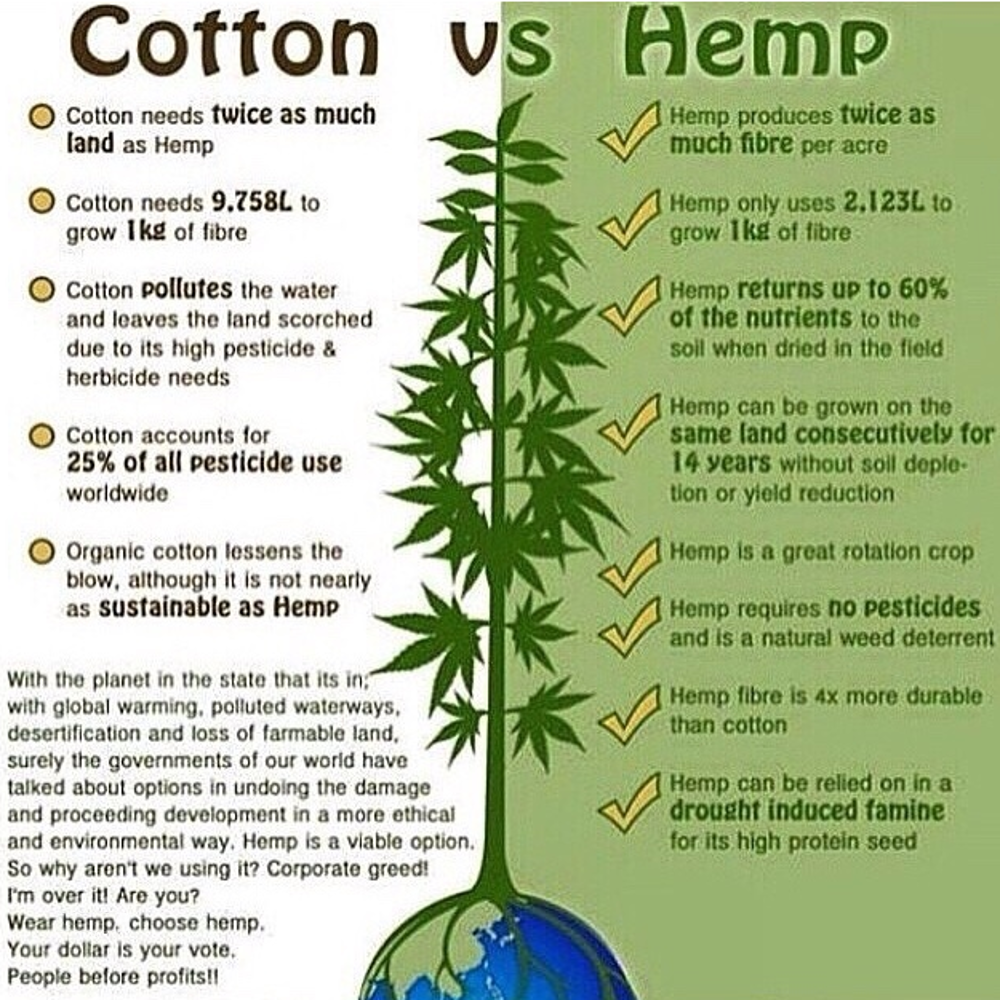
- Environmentally, hemp is a safer crop to grow than cotton: cotton is a soil-damaging crop and needs a great deal of fertilizers, herbicides and pesticides
- Cotton crops in the USA occupy 1% of the country’s farmland but use 50% of all pesticides: “The pesticides used on cotton, whether in the U.S. or oversees, are some of the most hazardous available today,” says Doug Murray, Ph.D., a professor of sociology at Colorado State University who has studied pesticide use on cotton overseas
- 1 acre of hemp will produce as much as 2-3 acres of cotton
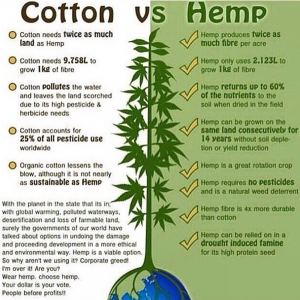
- Hemp is 4 times warmer than cotton, 4 times more water absorbent, has 3 times the tensile strength of cotton
- Hemp is many times more durable and is flame retardant
- Many high fashion clothing manufacturers have produced clothes and footwear made with hemp – some of these include Nike, Converse, Armani, Patagonia, Polo Ralph Lauren, Oscar de la Renta and many more
- Hemp fabrics are not as expensive as they once were because increased demand and availability in recent years have lowered the price considerably
- Hemp breathes well and wicks moisture away from the body better than cotton
Hemp Paper
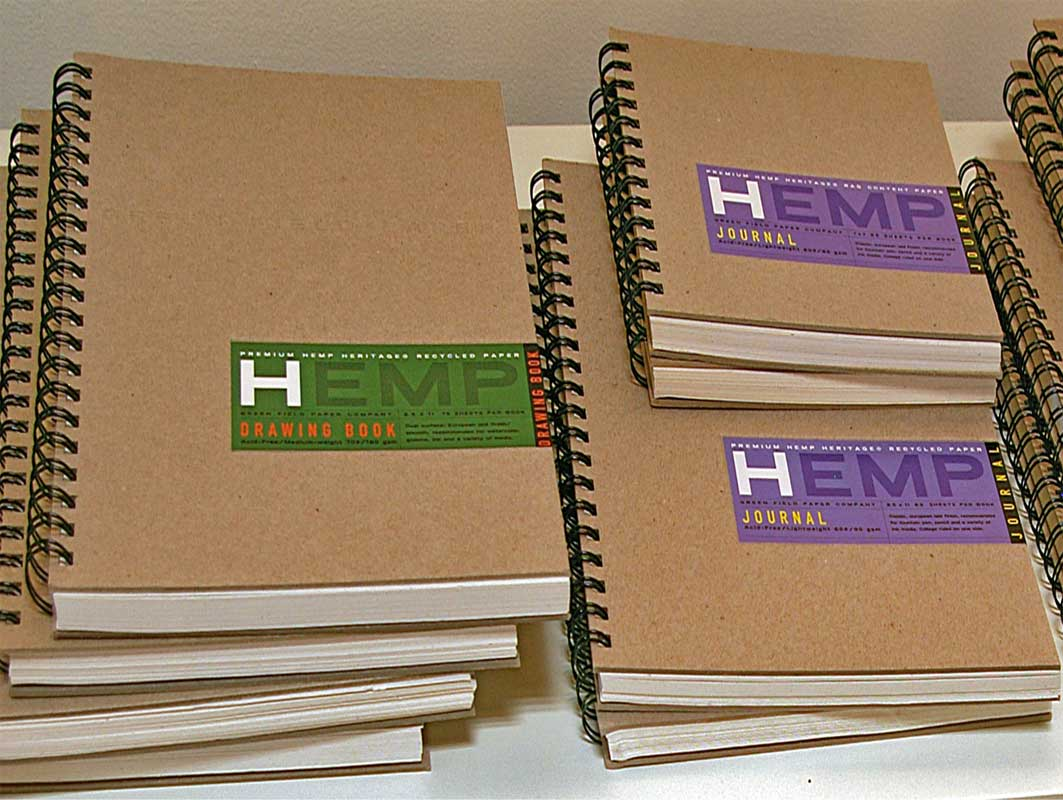 Hemp paper can be made from both the outer fibres of the hemp stalk (bast fibres) as well as the inner core (or ‘hurd’ fibres) of the stalk
- One acre of hemp (grown in a single season) yields as much paper as up to 4 acres of trees (which take many more years to grow)
- Hemp paper is stronger, acid free, has a longer shelf life and costs less than half as much to process as tree paper
- Hemp paper can be recycled 10 times whereas wood-based paper can
 only be recycled twice without losing integrity and requiring additional virgin fibre content
 - China, the world’s first paper maker, used hemp to make paper 1,900 years ago
- Both the Gutenberg Bible (15th C.) and the King James Bible (17th C.) were printed on hemp-based papers
- Since deforestation is a serious environmental concern, hemp can offer a significant contribution to the world’s environment as well as its economy

Hemp Building Materials & Plastics
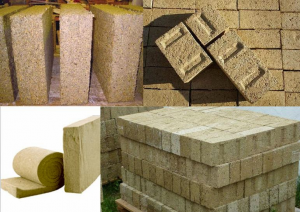 The core of the hemp stalk is used to produce fibreboard, insulation, carpet, fiberglass substitute, cement blocks, concrete, stucco and mortar
- Hemp oil extracted from hemp seeds is used in the production of plastics, oil paints, varnishes, inks, solvents, lubricants, putty and coatings
- In an effort to initiate industrial hemp production, a Native farmer named Alex White Plume on his reservation in South Dakota built a house entirely out of what he calls “Hempcrete” bricks
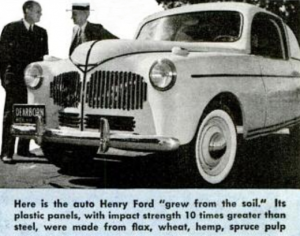 In December 1941, Popular Mechanics ran a story featuring a photograph of Henry Ford standing next to the car he “grew from the soil”. The hemp-ethanol fueled and hemp-resin bodied vehicle was a dream of his but many bills proposing a national agricultural based fuel energy program were killed by smear campaigns launched by vested petroleum interests. One claim put forth was that the U.S. government’s plans “robbed taxpayers to make farmers rich”
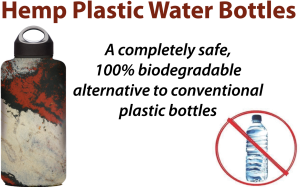 Hemp Plastic Water Bottles will be a more durable, higher heat tolerable, 100% safe, and biodegradable alternative
- Hemp Plastic Water Bottles will have a negative carbon footprint
- The carbon taken in by the plant during its life offsets the carbon produced by the machines making the Hemp Plastic Water Bottles.
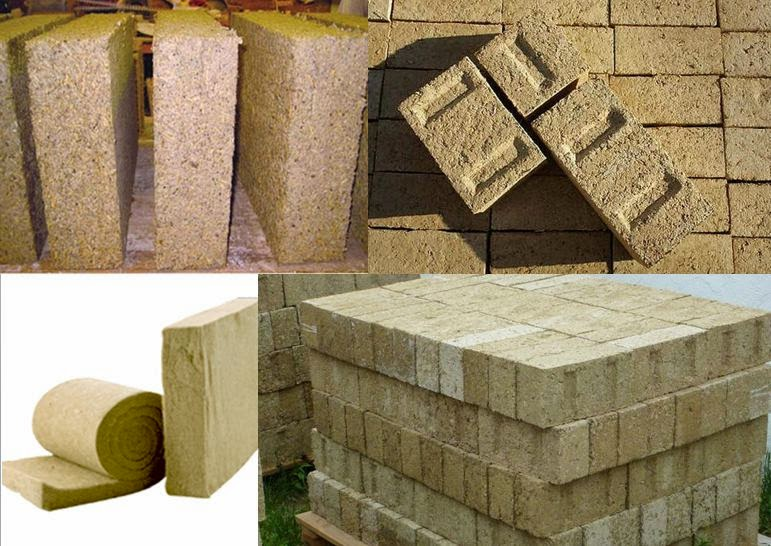 The core of the hemp stalk is used to produce fibreboard, insulation, carpet, fiberglass substitute, cement blocks, concrete, stucco and mortar
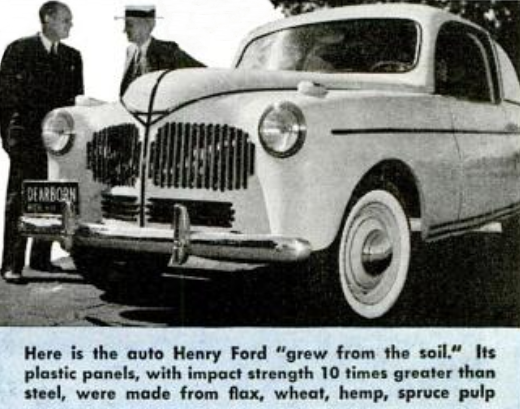 In December 1941, Popular Mechanics ran a story featuring a photograph of Henry Ford standing next to the car he “grew from the soil”. The hemp-ethanol fueled and hemp-resin bodied vehicle was a dream of his but many bills proposing a national agricultural based fuel energy program were killed by smear campaigns launched by vested petroleum interests. One claim put forth was that the U.S. government’s plans “robbed taxpayers to make farmers rich”
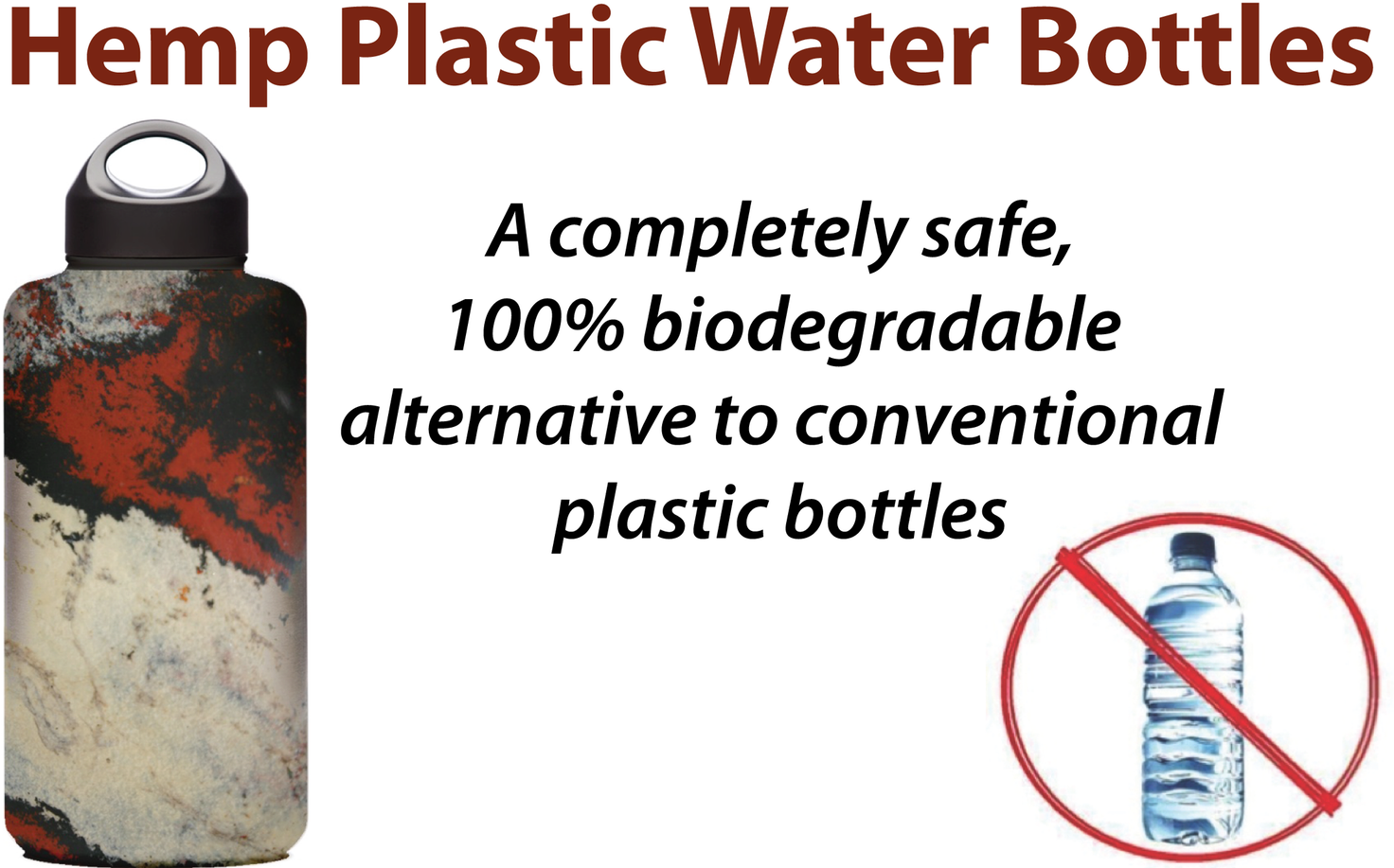 Hemp Plastic Water Bottles will be a more durable, higher heat tolerable, 100% safe, and biodegradable alternative
Hemp Food & Nutrition
- Of the 3 million plus edible plants that grow on Earth, no other plant source can compare with the nutritional value of hempseeds
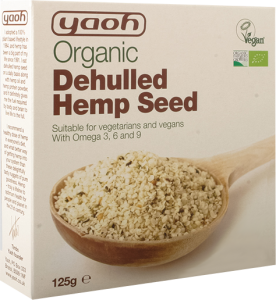
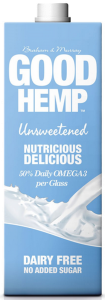
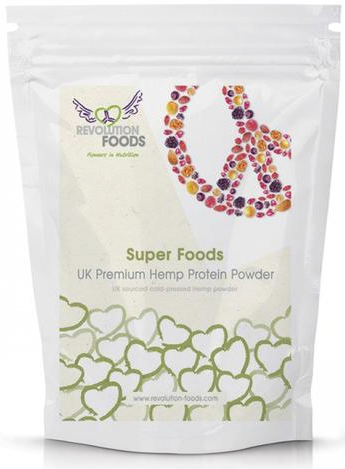
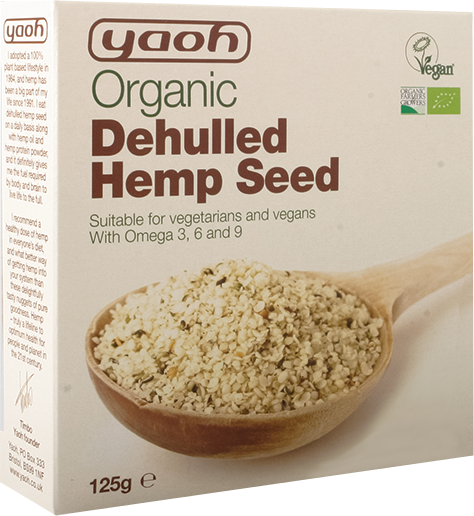
- Hemp is edible as whole seeds, hulled seed (the hemp ‘nut’ or ‘heart’), protein powder, hemp milk, or as oil extracted from seeds
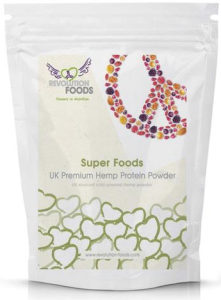
- It is used in salad dressings, protein bars, breads, cakes, soups, beer, smoothies, breakfast cereals and many more food products and recipes
- Hemp plants produce seeds that contain between 25-35% oil by weight – this non-trans-fatty-acid oil is high in a perfect balance of essential fatty acids (EFAs: Omega-3, 6, 9) considered to be ‘necessary’ to maintain health
 Hemp’s overall protein content of 35% is comparable to soybeans and is higher than that found in nuts, other seeds, meats, dairy products and fish or poultry
- Hemp protein contains all of the essential amino acids in more nutritionally significant amounts and at a ratio closer to “complete” sources of protein (like meat, milk and eggs) than all other seeds except soy
 65% of the proteins in hemp are “edestin,” which are easily digestible and act as pre-cursors to such vital body components as hormones, hemoglobin, enzymes and antibodies. Hemp’s edestin structure is the highest in the plant kingdom, making it more digestible than soy and many other plant foods
- Hemp also contains a healthy 35% of dietary fibre, the highest of all commercial flour grains, and it is high in the natural antioxidants Vitamin E, Vitamin C and chlorophyll
- The hardiness and nutritional benefits of hemp could help address many of the world’s starvation problems
- Hemp should not be cooked at temperatures over 350F because at this temperature the fats are in danger of becoming “trans” and thus unhealthy
 Hemp’s overall protein content of 35% is comparable to soybeans and is higher than that found in nuts, other seeds, meats, dairy products and fish or poultry
 65% of the proteins in hemp are “edestin,” which are easily digestible and act as pre-cursors to such vital body components as hormones, hemoglobin, enzymes and antibodies. Hemp’s edestin structure is the highest in the plant kingdom, making it more digestible than soy and many other plant foods
Hemp Bio-Diesel Fuel
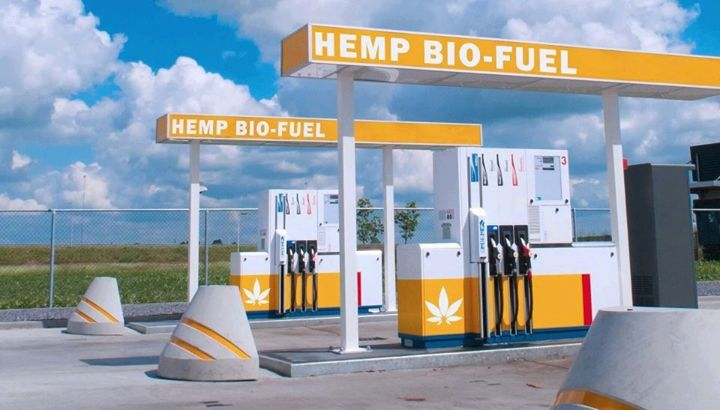
- In 2001, the “Hemp Car”, a converted 1980s diesel Mercedes station wagon drove a 13,000 mile 50 city tour of North America – it was powered solely by 600 gallons of hemp bio-diesel fuel made from the stalk of the hemp plant
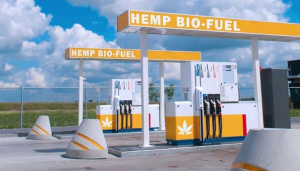
- The exhaust emissions of carbon monoxide from bio-diesel are 47% lower than carbon monoxide emissions from diesel
- Bio-diesel reduces the health risks associated with petroleum diesel
- Bio-diesel emissions showed decreased levels of PAH and nitrited PAH compounds, which have been, identified as potential cancer causing compounds
- In a peri
 od of 28 days, pure bio-diesel degrades 85 to 88 percent in water
- Any CO2 released from burning hemp as fuel matches the CO2 the plant had beneficially taken from the environment wile growing, creating what is called a closed carbon cycle that could slow down the effects of global warming
 od of 28 days, pure bio-diesel degrades 85 to 88 percent in water
Hemp Body Care Products
 Thanks to its nourishing oil, hemp is booming in the personal hygiene industry with hemp found in soaps, shampoos, lotions, lip balms, bath oils, personal lubricants and more
- Due to the large hemp body care line sold by The Body Shop, as well as the fact that many unreported leading mass-market brands of sun tan lotion and sunscreen products include hemp oil, the HIA (Hemp Industries Association) estimates the total retail value of North American hemp body care sales to be at least $50 million
 Hemp is also used in household cleaners as a natural alternative to harsher chemicals
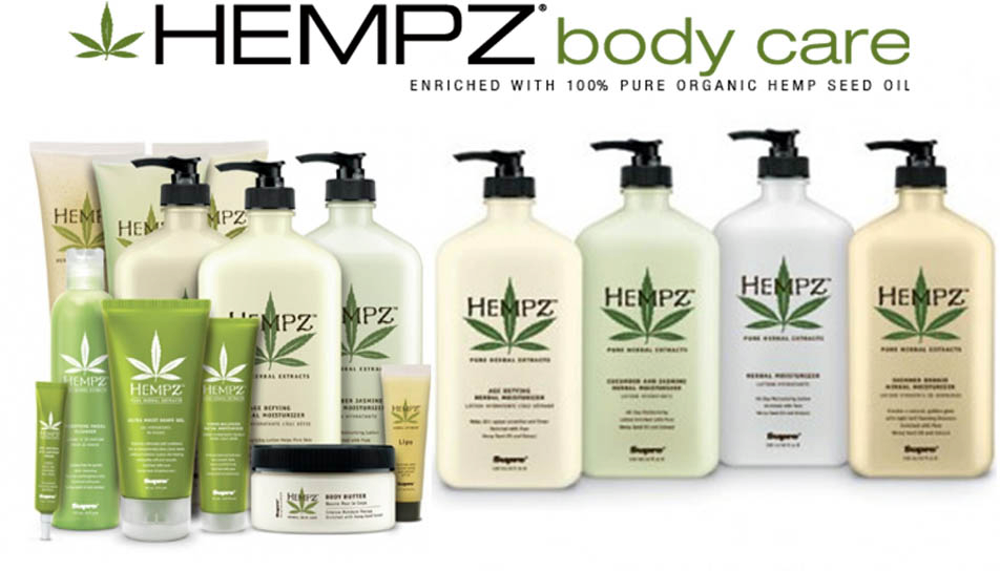 Thanks to its nourishing oil, hemp is booming in the personal hygiene industry with hemp found in soaps, shampoos, lotions, lip balms, bath oils, personal lubricants and more
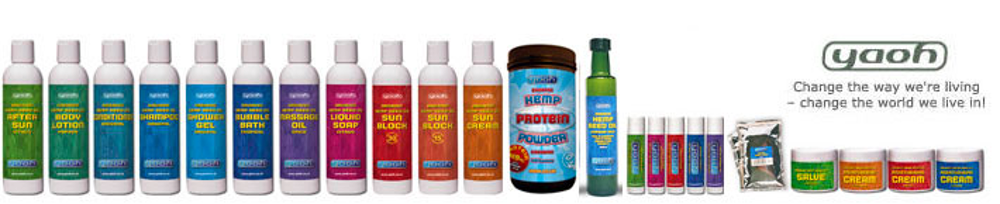 Hemp is also used in household cleaners as a natural alternative to harsher chemicals
The Growing Industrial
Hemp Movement

Hemp:
Biodegradable Plastics

HempCrete:
Strongest & Greenest Building Material in Nature


